Yoga is often seen as a physical practice, a series of postures designed to stretch and strengthen the body. However, at its core, yoga is about setting intentions and fostering a deeper connection between mind and body. This integration of purpose can transform your experience on the mat, making each session not just an exercise routine but a powerful tool for personal growth and emotional balance.
The Heart of Intention Setting
When you step onto your yoga mat, take a moment to pause. Before you begin your flow or align yourself into a pose, consider what you wish to cultivate during this practice. This could be anything from reducing stress to enhancing hormonal balance or simply finding moments of peace amidst a busy life. By clarifying your intention, you create a focal point that guides your practice and helps deepen your awareness.
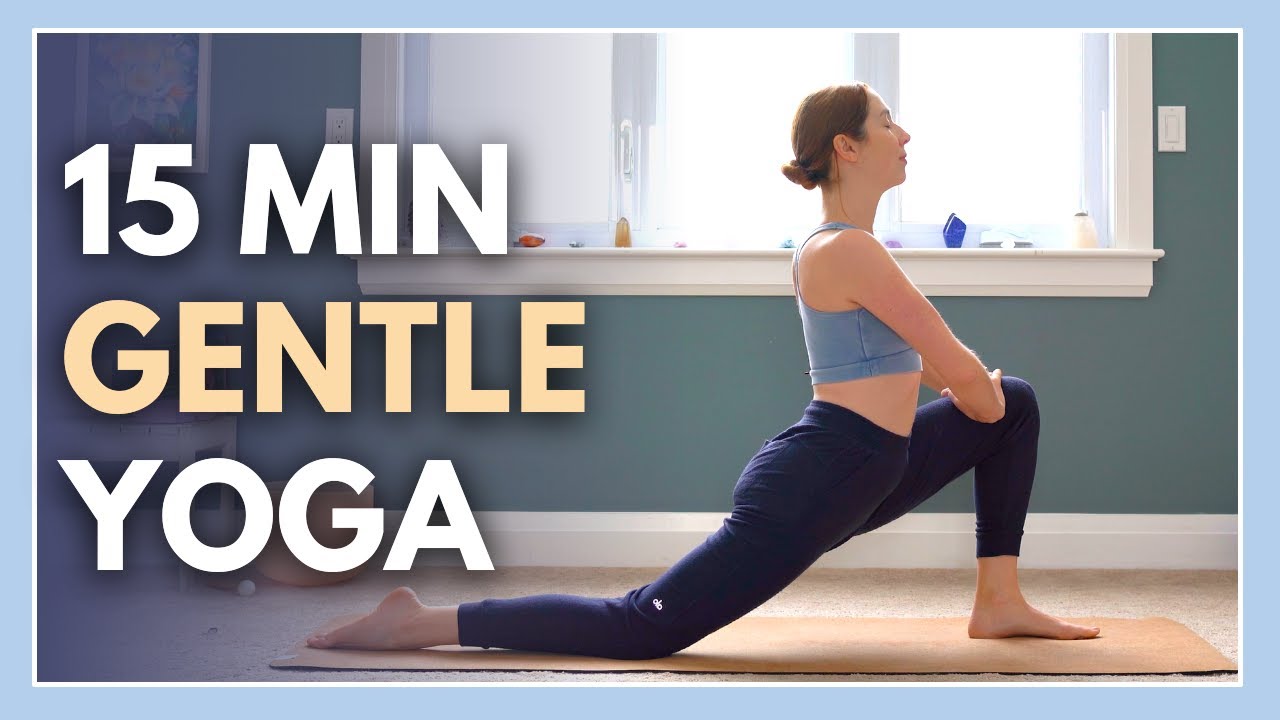

For instance, if you're practicing yoga for hormonal balance, you might set an intention around nurturing your body’s rhythms or acknowledging the changes it undergoes throughout the month. You may find that focusing on specific asanas — like gentle twists or restorative poses — enhances that intention by promoting blood flow and relaxation. This holistic approach allows you to connect with yourself on multiple levels.
The Role of Breath in Intentional Practice
Breath awareness is another essential component of purposeful practice. It’s not just about filling the lungs; it’s about creating space within yourself to invite change. Breathwork techniques such as pranayama can regulate your nervous system and stimulate hormonal responses beneficial for conditions like PMS relief or menopause symptoms.
Incorporating breath into your practice means linking each inhale with an affirmation of your intention. If your goal is to reduce anxiety, for example, breathe deeply while visualizing calmness washing over you with each exhale. This mindful breathing cultivates resilience against stressors https://maidenheadyoga.co.uk and reinforces your desire for emotional balance.
Choosing the Right Poses
The beauty of yoga lies in its versatility; different poses serve various purposes. When aiming for hormonal health, certain asanas support specific bodily functions:
Forward Bends: These poses often help calm the nervous system and are excellent for reducing anxiety. Twists: They stimulate digestion and detoxification processes, which can be crucial during times when hormones fluctuate. Gentle Backbends: These promote energy flow through the body and can uplift mood. Restorative Poses: They encourage deep relaxation, providing space for reflection while easing tension held in the body. Hip Openers: Often linked to emotional release, these poses can be particularly beneficial during menstrual cycles.Each session can be tailored based on how you feel physically and emotionally that day. It's important to listen to what your body tells you — if you're fatigued or feeling tight in certain areas, opt for slower movements or restorative practices instead of more vigorous flows.
Cultivating Mindfulness Beyond Asanas
Setting intentions extends beyond the physical postures into daily life as well. Yoga teaches us mindfulness — being present in each moment without judgment. This practice can help manage emotional fluctuations related to hormonal changes by fostering a sense of stability and calmness.
You might start integrating mindfulness into everyday activities by pausing before responding in conversations or taking deep breaths before tackling stressful tasks at work. This ability to remain grounded will enhance the benefits gained on the mat when approaching life off it.
Embracing Flexibility – Physically and Mentally
Many newcomers feel apprehensive about their flexibility when starting yoga. However, it's essential to remember that yoga is not merely about bending into difficult shapes; it’s about meeting yourself where you are today. Whether you're seeking gentle yoga for hormonal health or looking for beginner-friendly routines that accommodate stiffness from long hours at a desk, there are options available that recognize individual needs without compromising effectiveness.
Creating a space where beginners feel comfortable also fosters confidence and encourages consistency in practice — two vital elements for experiencing long-lasting benefits like improved mental clarity or stress relief.
Building Community Through Shared Intentions
Practicing yoga in groups can amplify the power of collective intentions. When individuals come together with shared goals — such as supporting one another during challenging life phases — they create an environment rich in compassion and understanding. Group classes provide opportunities not only for personal exploration but also foster connections that enhance motivation.
Consider participating in workshops focused on specific themes such as women's health issues or stress management strategies through yoga practices designed around those intentions. Engaging with others who share similar experiences creates solidarity while helping everyone involved feel less isolated in their journeys.
Reflecting on Your Journey
Finally, journaling after each session can amplify the effects of intentional practice by providing an outlet for self-reflection on what worked well during class versus what felt challenging emotionally or physically. Documenting these experiences allows you to observe patterns over time that may reveal deeper insights into how yoga impacts your overall wellness journey.
By allowing space for both triumphs and struggles through writing, you'll gain clarity about how best to tailor future sessions based on evolving needs while continually aligning with personal aspirations — making every return visit to your mat more meaningful than before.

Setting intentions within yoga creates layers upon layers of benefits that extend beyond mere physicality into realms of mental clarity, emotional resilience, and social connectivity among practitioners alike! With consistent commitment toward purposeful practice built upon these principles — anyone can cultivate harmony between mind-body-spirit dynamics essential for true holistic wellness today!