You can learn a lot about your health from steps and workouts, but traditional fitness bands have a way of nudging you into a narrow view. They shine when you want simple, repeatable metrics, yet they can feel less ideal when your day is more “small moments” than “structured training sessions.” Maybe you lift in short bursts, take long walks without thinking about pace, travel often, or you simply don’t want a band on your wrist all day.
That is where activity tracking alternatives start to feel exciting. Not because they’re trying to replace everything, but because they track the kinds of movement and body signals that matter just as much. And within the broader category of non-traditional activity trackers, smart rings have become a standout option for people who want continuous health tracking without the bulky feel.
Why move beyond wristbands for activity tracking?
A lot of wrist fitness tracking gadgets assume your routine looks like a workout plan: start the timer, log the session, check the stats. Real life rarely behaves that neatly. If you cook, clean, carry groceries, pace during a call, do quick mobility sessions, or work on your feet in short segments, the “workout mindset” can miss the point.
Wristbands also introduce practical friction. Some people find them uncomfortable during sleep, they slide or catch on sleeves, and they can get less accurate when your skin contact is inconsistent. Accuracy matters, of course, but even more important is consistency. If you remove the band because it irritates you, dries out your skin, or feels annoying at night, you lose the very data that makes health tracking useful.
Smart ring technology offers a different trade-off. Instead of a sensor-focused strap, you get a lightweight device that is easier to keep on all day and all night. That tends to make activity tracking feel less like a chore and more like background information that stays with you.
What people typically want that bands miss
When I talk with friends and clients who switch away from traditional bands, they usually end up describing one of these needs:

- Better overnight consistency, especially for sleep and recovery context Activity tracking that does not depend on remembering to start a session Less physical clutter, particularly during work, sports, and travel Metrics that feel more “body-based” than “workout-based” More comfort for long wear, including nights and early mornings
Those needs do not erase what bands do well. They just highlight why non-traditional activity trackers can fit better for some lives.
Smart rings for activity: what they do differently
Smart rings are often discussed like they only track steps and sleep, but the stronger story is how they tie activity tracking to the body’s day-to-day patterns. A good smart ring approach usually focuses on continuous signals and then uses them to estimate or contextualize your movement and recovery.
From a practical standpoint, here is how Oura Ring 4 Ceramic reviews the experience often differs from a fitness band:
1) Less “wear and forget,” more “wear and trust”
A ring sits on your finger, and for many people that means less fiddling. You are less likely to take it off during the day, and it tends to stay put during sleep. That matters because activity tracking alternatives often get judged by one thing: can you rely on the data without constant effort?
When the device is easy to keep on, you start noticing trends rather than obsessing over single-day readings.
2) Activity tracking that blends with recovery
Traditional fitness bands can show activity volume and sometimes a version of recovery, but the ring experience often feels more integrated. You might not treat it as a sports watch, yet you can still use the data to understand your baseline, especially when your routine changes.
For example, if you travel and your sleep quality drops, you may see activity patterns shift too. The ring data can help you notice that connection sooner, which can change how you plan the next day.
3) Measurements that follow the body, not the wrist
Your wrist has many jobs: typing, lifting, driving, waving, wiping. Your finger has a different pattern of motion. A ring’s sensor placement can provide stable signals for things like heart rate trends and rest periods, which can improve the “story” around your activity tracking.
This does not mean rings are magically more accurate in all circumstances. Motion still affects sensors. But in daily wear, the overall consistency can be a big advantage.
A quick reality check
It is worth saying plainly: rings are not designed to replace a chest strap for high-performance training, and they health tracking may not capture the same workout details a dedicated sports watch would. If you want to see cadence, advanced intervals, and GPS-based pace, you may still prefer other fitness tracking gadgets.
But for daily health tracking, movement awareness, and recovery context, smart rings can be an elegant fit.
Choosing the right non-traditional activity tracker (without getting tricked by hype)
Picking a ring for smart rings for activity is less about chasing the fanciest badge and more about matching the device to your routine. I like to start with a simple question: what do you want the wearable to help you do on the days you are least motivated?
If your goal is “I want to understand my trends,” look for reliable continuous monitoring and a comfortable fit that you will actually wear. If your goal is “I want sports-level breakdown,” a ring may feel limiting.
Here are the criteria that tend to matter most in real life.
Practical factors that change how you feel about tracking
- Comfort and fit: The ring is on your finger for sleep, showers, and mornings. If it pinches or spins, you will take it off. Battery expectations: You want charging to fit your schedule, not disrupt it. Less frequent charging usually means more consistent data. Data clarity: A wearable is only useful if you can interpret it quickly. Look for a setup that makes your daily patterns obvious. Activity context: The device should help you connect movement with recovery, not just report numbers. Charging and maintenance: Rings need care too, especially if you work with dirt, chemicals, or heavy sweat.
A small anecdote: one friend switched because her wristband constantly shifted when she slept. She stopped losing track of nights, and her activity tracking alternatives suddenly felt accurate enough to base decisions on, like when to take an easier day.
Beyond steps: using activity tracking alternatives for better health decisions
Steps can be motivating, but health tracking is broader than step counts. The strongest results usually come when your data leads to a small behavior change that you can repeat.
With smart ring technology, you can build habits around your day’s rhythm. Not in a rigid way, but with better awareness.
Here is what that can look like in practice:
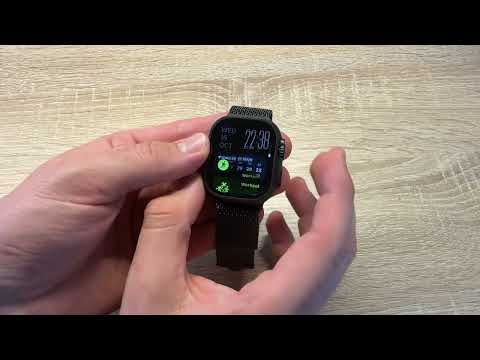
Turning data into everyday decisions
- Protect your recovery window: If sleep or rest metrics show a dip, plan a lighter workout or a lower-intensity day. Spot your “silent days”: Some days feel productive yet you move less than you think. Tracking can reveal that gap. Adjust training volume gradually: Instead of pushing through fatigue blindly, use trends to scale effort. Pair movement with consistency: If your ring data suggests lower recovery, aim for gentle movement like walking or mobility. Learn your baseline: The value comes after patterns build, not after one dramatic day.
This is where activity tracking alternatives tend to outperform the all-or-nothing fitness band approach. Bands often measure exercise intensity well, but rings can help you stay grounded in your overall health state, which influences your energy, mood, and ability to train.
Trade-offs, edge cases, and when a ring might not be your best choice
For all their appeal, smart rings are not a universal solution. I have seen people get frustrated for predictable reasons, and those frustrations usually come down to mismatched expectations.
If you routinely do workouts that involve heavy hand gripping, friction, or lots of wrist constraints, the ring’s motion and comfort can affect how consistently you wear it. If you have swelling changes in your fingers, a ring that fits well one day may feel snug or loose the next. And if you want precise workout metrics, you may still need other fitness tracking gadgets alongside your ring.
There is also a psychological angle. Some people love the simplicity of a ring because it avoids constant wrist-checking. Others miss the visual feedback of a band screen during a run or gym session. If you fall into that second group, a ring can still work, but you might choose a setup where your main workout device is separate, and the ring serves daily health tracking in the background.
The best approach is to treat your wearable like a tool in a system, not a single source of truth.
If you want activity tracking alternatives that feel sustainable, smart rings for activity can be a compelling choice, especially when you care about continuous health tracking and you want to reduce the daily friction of a traditional fitness band. You are not replacing motivation, you are removing obstacles so your data stays consistent enough to matter.